
Harm reduction offers a supportive approach to intravenous (IV) drug use by minimizing negative consequences rather than solely focusing on cessation. Techniques like clean syringe programs, safe consumption sites, and overdose prevention education reduce risks such as infectious disease transmission and long-term health complications. Safe injection sites serve as gateways to drug rehab programs and provide education, counseling, and support. Initiatives like Project Purple, the Herron Project, and Drug Rehab Scholarships integrate harm reduction with accessible treatment options, empowering individuals to rebuild their lives and enhance public health outcomes for IV drug users.
Harm reduction offers a vital, evidence-based approach to mitigating risks associated with intravenous (IV) drug use. This article delves into key strategies designed to support IV drug users in making safer choices, with a focus on holistic well-being. We explore critical harm reduction techniques, including the role of safe injection sites, access to sterile equipment, overdose prevention measures, and supportive services essential for long-term recovery. Understanding these methods is crucial in addressing the complex challenges faced by this population.
Understanding Harm Reduction: A Holistic Approach for IV Drug Users
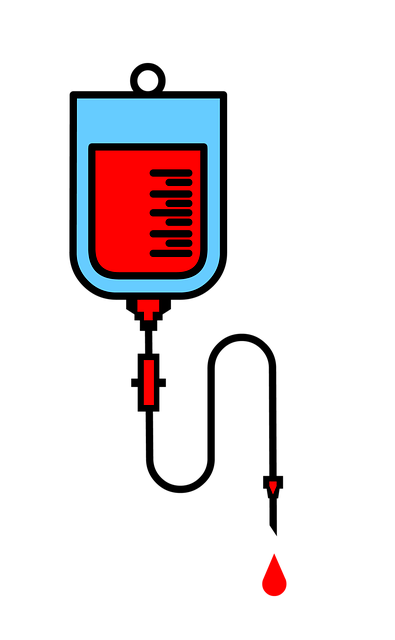
Harm reduction is a vital approach to supporting individuals who engage in intravenous (IV) drug use, focusing on minimizing the negative consequences associated with their behavior rather than solely emphasizing cessation. It's not about judgment or condoning drug use but rather acknowledging the complexities that lead people to IV drug use and offering practical solutions to enhance their overall well-being. This strategy is a game-changer in the realm of drug addiction treatment, especially for those who may be hesitant to seek help or are not ready for complete abstinence.
By implementing harm reduction techniques, such as providing clean syringes through programs like the Herron Project or Project Purple, offering safe consumption sites, and educating users about overdose prevention, we can create a more supportive environment. These initiatives aim to reduce the risks associated with IV drug use, including transmission of infectious diseases and long-term health complications. Understanding harm reduction allows for a more inclusive and effective support system, addressing the immediate needs of IV drug users while also encouraging them to explore drug rehab scholarships or other long-term treatment options when they're ready.
The Role of Safe Injection Sites in Minimizing Risks

Safe injection sites have emerged as a cornerstone of harm reduction strategies for intravenous drug users (IDU). These designated facilities provide a controlled environment where individuals can inject drugs under medical supervision, significantly reducing the risks associated with unsanitary conditions and overdose. By offering clean needles, sterile environments, and access to healthcare professionals, these sites play a vital role in preventing the transmission of infectious diseases like HIV/AIDS and hepatitis C among IDU populations.
Moreover, safe injection sites facilitate the referral process for those seeking drug rehab scholarships or enrolling in programs like Project Purple or the Herron Project, offering a bridge between harm reduction and comprehensive addiction treatment services. They serve as hubs for education, counseling, and support, empowering individuals to make informed decisions about their health and ultimately guiding them towards long-term recovery.
Sterile Equipment and Its Impact on Preventing Transmission

The provision of sterile equipment is a cornerstone of harm reduction strategies for intravenous (IV) drug users. By ensuring that individuals have access to clean needles and syringes, along with other necessary supplies, the risk of transmitting infections like HIV, hepatitis B, and C significantly decreases. This simple yet powerful intervention promotes safer injection practices, preventing the spread of these devastating diseases within vulnerable communities.
Harm reduction techniques, such as those championed by initiatives like the Herron Project or supported through Drug Rehab Scholarships, underscore the importance of sterile equipment. By reducing the risks associated with unsterile injections, these programs aim to improve public health and quality of life for IV drug users. Moreover, promoting access to clean injection equipment can serve as a gateway to further support services, encouraging users to consider treatment options or participate in awareness campaigns like Project Purple, which focuses on educating communities about the dangers of uncontrolled substance use.
Overdose Prevention Strategies: Lifesaving Interventions

Overdose prevention strategies are crucial components of harm reduction techniques for intravenous drug users. Initiatives like Project Purple and the Herron Project focus on educating users about safe substance use, providing access to naloxone (a life-saving overdose reversal drug), and promoting responsible injection practices. These efforts aim to empower individuals to make informed decisions while minimizing the risks associated with drug use.
Additionally, encouraging participation in drug rehab programs through scholarships can offer a path to recovery for those struggling with substance abuse. By combining harm reduction strategies with accessible treatment options, communities can effectively support intravenous drug users, reduce overdose deaths, and foster a more positive public health outcome.
Supportive Services and Community Engagement for Long-Term Recovery

Harm reduction techniques for intravenous drug users go beyond medical interventions. Supportive services and community engagement play a pivotal role in fostering long-term recovery. Programs like Project Purple and The Herron Project exemplify this approach by providing comprehensive care that addresses not just physical health but also psychological and social needs. These initiatives offer safe spaces, counseling, job training, and housing support, recognizing that recovery is holistic and deeply intertwined with community well-being.
By integrating drug rehab scholarships and other financial aid options, these supportive services make long-term recovery more accessible. They understand that removing barriers to treatment, including economic ones, is crucial for helping individuals break free from the cycle of addiction. Through a combination of professional guidance and community backing, these programs empower intravenous drug users to rebuild their lives, regain control, and thrive in society.