
Heroin overdoses are a pressing issue driven by higher doses, impure mixtures, and synthetic opioids like fentanil. Recognizing symptoms like slow breathing and pinpoint pupils is crucial. Immediate emergency assistance and harm reduction strategies such as clean needles and safe consumption sites are vital. Initiatives like Project Purple and the Herron Project provide rehab scholarships and education to combat the crisis. Post-overdose care includes medical attention, counseling, and peer groups. Community engagement through educational initiatives and access to resources like naloxone saves lives and reduces overdose rates.
In the ongoing battle against opioid overdose crises, understanding and addressing risks are paramount. This article explores comprehensive harm reduction techniques for heroin users, focusing on strategies that have proven instrumental in saving lives. From recognizing symptoms and risk factors of heroin overdoses to providing access to lifesaving interventions like Naloxone, we delve into effective supportive care and community engagement methods for prevention. By implementing these harm reduction strategies, we aim to reduce the devastating impact of opioid overdoses among high-risk populations.
Understanding Heroin Overdose: Risks and Symptoms

Understanding Heroin Overdose: Risks and Symptoms
Heroin overdose is a serious and potentially life-threatening event for individuals who use this opiate drug. It's crucial to understand the risks and symptoms associated with heroin overdose, especially among those who employ harm reduction techniques for heroin users. The risk of overdose increases with higher doses, impure drug mixtures, and the introduction of new synthetic opioids, like fentanil, which can be up to 100 times more potent than heroin.
Symptoms of a heroin overdose include slow or shallow breathing, pinpoint pupils, drowsiness or loss of consciousness, cold skin and clammy hands, nausea and vomiting, and a lack of response to stimuli. If you suspect someone is experiencing an overdose, it's critical to call emergency services immediately. Initiatives like Project Purple and the Herron Project focus on providing education, access to drug rehab scholarships, and resources to prevent and manage heroin overdoses as part of harm reduction strategies for at-risk individuals.
The Role of Harm Reduction Strategies
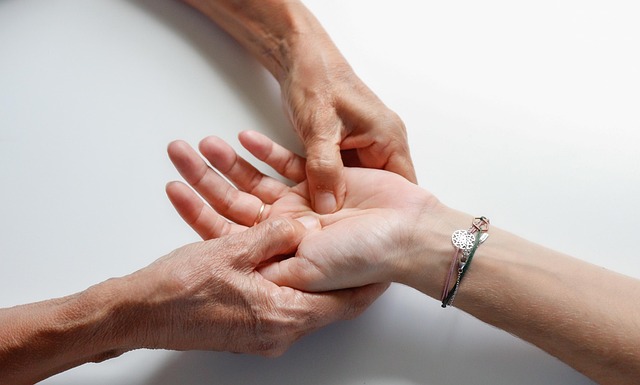
Harm reduction strategies play a pivotal role in addressing the complex issue of heroin overdose. These evidence-based techniques focus on minimizing the negative consequences associated with drug use, particularly for at-risk individuals. By implementing harm reduction measures, such as providing clean needles and safe consumption sites, healthcare providers can empower heroin users to make safer decisions without judgment or coercion.
One successful example is the Herron project, which has been instrumental in saving lives and reducing overdose rates. Similarly, initiatives like Project Purple offer Drug Rehab Scholarships, making treatment more accessible and affordable for those struggling with heroin addiction. These programs not only encourage users to seek help but also provide them with essential tools and support to overcome their dependency, ultimately breaking the cycle of overdose and fostering a path towards recovery.
Accessing Naloxone: A Lifesaving Intervention

Accessing Naloxone is a crucial aspect of harm reduction strategies for individuals struggling with heroin addiction. This life-saving intervention has proven to be a game-changer in preventing overdose deaths, especially in communities heavily impacted by opioid crises. By providing individuals at risk or their loved ones with easy access to naloxone, a medication that reverses the effects of an opioid overdose, we empower them to take immediate action during emergencies.
Through initiatives like Project Purple and various harm reduction programs, including those offering Drug Rehab Scholarships, communities are being equipped with the knowledge and resources to recognize overdose signs and administer naloxone effectively. These projects play a vital role in breaking down barriers to treatment and fostering a culture of support and resilience among heroin users. With proper training and readily available supplies, individuals can become their own first responders, significantly increasing survival rates during potential life-threatening situations.
Supportive Care and Post-Overdose Recovery

After an overdose, supportive care becomes a critical component of recovery for heroin users implementing harm reduction techniques. This includes immediate medical attention to stabilize the individual and address any life-threatening complications. It also encompasses ongoing support services such as counseling, therapy, and peer support groups that help address the underlying issues contributing to drug use. These interventions are crucial in guiding individuals towards a healthier lifestyle and reducing the risk of future overdoses.
Post-overdose recovery often involves a multifaceted approach tailored to each individual's unique needs. Programs like Project Purple and the Herron Project offer specialized care, focusing on holistic healing that includes medical detox, mental health services, and skills training. Additionally, Drug Rehab Scholarships can be a game-changer for those who need financial assistance to access these life-saving resources. Through such initiatives, individuals have the opportunity to not only survive but thrive, transforming their lives from active substance use to sustainable recovery.
Community Engagement and Education for Prevention

Community engagement plays a pivotal role in overdose reduction strategies, particularly for harm reduction techniques targeted at heroin users. By fostering open dialogues and educational initiatives, communities can dispel myths surrounding drug use and offer support to those struggling with addiction. This includes providing information on safe injection practices, over-the-counter naloxone access, and the availability of Drug Rehab Scholarships or community-based programs like Project Purple. These efforts not only equip individuals with knowledge but also create a network of care that can intervene early and prevent fatal overdoses.
Additionally, engaging at-risk youth through peer education programs or community events centered around harm reduction can have a lasting impact. Educating young people about the risks associated with heroin use and providing alternative coping mechanisms is crucial. Initiatives like the Herron Project exemplify successful models where community members come together to address local drug use trends, ultimately contributing to a more informed and supportive environment for those seeking help or dealing with addiction.