Intravenous (IV) drug use carries significant risks, including overdose and disease transmission. To address these issues, harm reduction techniques focus on minimizing negative consequences rather than solely promoting abstinence. Organizations like Project Purple and the Herron Project offer resources, support, and Drug Rehab Scholarships to promote safe injection practices and clean needles, reducing diseases like HIV/AIDS and hepatitis C. Narcan, a revolutionary nasal spray that reverses opioid overdoses, is widely adopted and accessible through these initiatives, providing bystanders with a life-saving tool. Harm reduction strategies, including Narcan training and accessibility, play a crucial role in saving lives and promoting recovery for IV drug users.
In today's digital era, understanding intravenous (IV) drug use is more critical than ever. IV drug use comes with significant risks, including addiction, overdose, and transmission of infectious diseases. To mitigate these dangers, harm reduction strategies have emerged as vital tools, offering safe alternatives to high-risk behaviors. Among these innovations, Narcan—a life-saving nasal spray—is transforming the way we address opioid overdoses. This article delves into the world of IV drug use, harm reduction techniques, and how Narcan is revolutionizing overdose prevention.
Understanding Intravenous Drug Use and Its Risks
Many intravenous (IV) drug users may not realize the significant risks associated with their practice. Using drugs via injection increases the chances of overdose and transmits dangerous diseases like HIV/AIDS, hepatitis B and C, and other blood-borne pathogens. This is where harm reduction techniques come into play, offering a more safer alternative for IV drug users. Organizations such as Project Purple and the Herron Project focus on providing resources and support to individuals struggling with substance abuse, including access to Drug Rehab Scholarships, which can make treatment more affordable.
These initiatives promote safe injection practices, clean needles, and education about overdose prevention. By embracing harm reduction strategies, communities can mitigate some of the severe consequences that often accompany intravenous drug use. It's a step towards ensuring public health and safety while also recognizing the humanity and potential for recovery among those battling addiction.
The Importance of Harm Reduction Strategies

Harm reduction strategies are vital in addressing the challenges faced by intravenous drug users. This approach focuses on minimizing the negative consequences associated with drug use rather than simply encouraging abstinence. For many individuals, complete abandonment of drugs may not be feasible or desirable, especially considering the complex social and economic factors at play.
Implementing harm reduction techniques, such as providing access to clean needles and syringes, offers a practical solution. These methods have been proven effective in reducing the risk of infectious diseases like HIV/AIDS and hepatitis C among drug users. Additionally, initiatives like the Herron Project and Project Purple highlight successful community-based efforts to support at-risk individuals, offering a network of assistance and resources, including Drug Rehab Scholarships, to facilitate their journey towards improved health and recovery.
Introducing Narcan: A Life-Saving Nasal Spray

Introducing Narcan: A Life-Saving Nasal Spray
In the realm of harm reduction techniques for Intravenous drug users (IVDU), Narcan stands out as a game-changer. Developed with the primary goal of addressing opioid overdoses, Narcan is a nasal spray that delivers naloxone hydrochloride, a medication designed to temporarily reverse the effects of an opioid overdose. This innovative product has become an indispensable tool in the hands of first responders, healthcare professionals, and even individuals at risk or supporting those struggling with opioid use disorders (OUD).
By using Narcan, individuals can administer the spray quickly and easily during an emergency, potentially saving lives. The Heron Project and Project Purple, among other initiatives, have played pivotal roles in making Narcan widely accessible and promoting its use as a preventive measure against fatal overdoses. As part of broader drug rehab scholarships and awareness programs, Narcan underscores the commitment to fostering safer communities and offering life-saving interventions to those in need, especially among high-risk populations.
How Does Narcan Work?
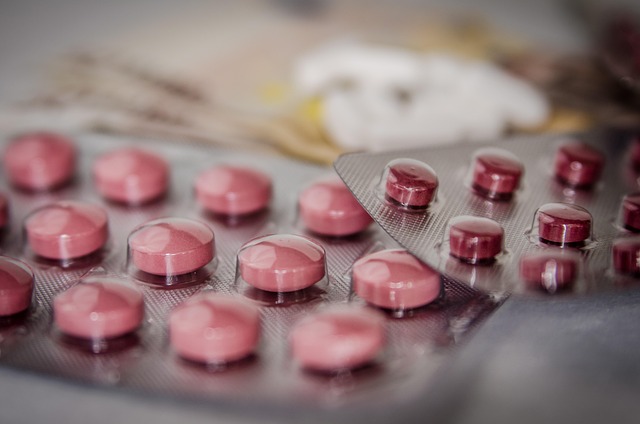
Narcan, also known as naloxone, is a life-saving medication designed to temporarily reverse the effects of an opioid overdose. It's a powerful tool in the arsenal of harm reduction techniques for intravenous (IV) drug users. When an individual experiences an opioid overdose, Narcan works by binding to opioid receptors in the brain, blocking the depression of respiratory centers. This swift action can help restore normal breathing patterns and prevent fatal outcomes.
As an antagonist, Narcan is crucial in reversing the dangerous effects of opioids like heroin or prescription painkillers. It's accessible through programs like Project Purple and the Herron Project, which focus on providing drug rehab scholarships and education to at-risk communities. This easy-to-use nasal spray ensures that bystanders and friends can intervene during an overdose crisis, potentially saving lives and offering a critical window of opportunity for further medical care and treatment.
Accessing and Using Narcan Effectively
Accessing Narcan, also known as naloxone, is a crucial step for intravenous drug users seeking harm reduction. This powerful medication can temporarily reverse the effects of an opioid overdose, giving users vital time to seek medical attention and increase their chances of recovery. Many community organizations and healthcare facilities offer free or low-cost Narcan kits, making it accessible to those who need it most.
Using Narcan effectively requires proper training and adherence to instructions. The Herron Project and Project Purple are initiatives dedicated to educating individuals on overdose prevention and providing resources for Drug Rehab Scholarships. By learning the correct administration techniques, users can ensure the kit's maximum potential is realized during an emergency. Regular refreshers and demonstrations further enhance their ability to respond swiftly and accurately, potentially saving lives.